 Drawbly
 technical notebook
Understand the system. Then draw your version.
Short technical explanations built around a question, a useful diagram and an editable example. Start with the system you need to explain.
Start here · AI systems
How does an AI agent actually use a tool?
Follow a single request through the model, an allowed tool call and the final answer. The diagram shows where the application checks and runs the call.
Read the workflow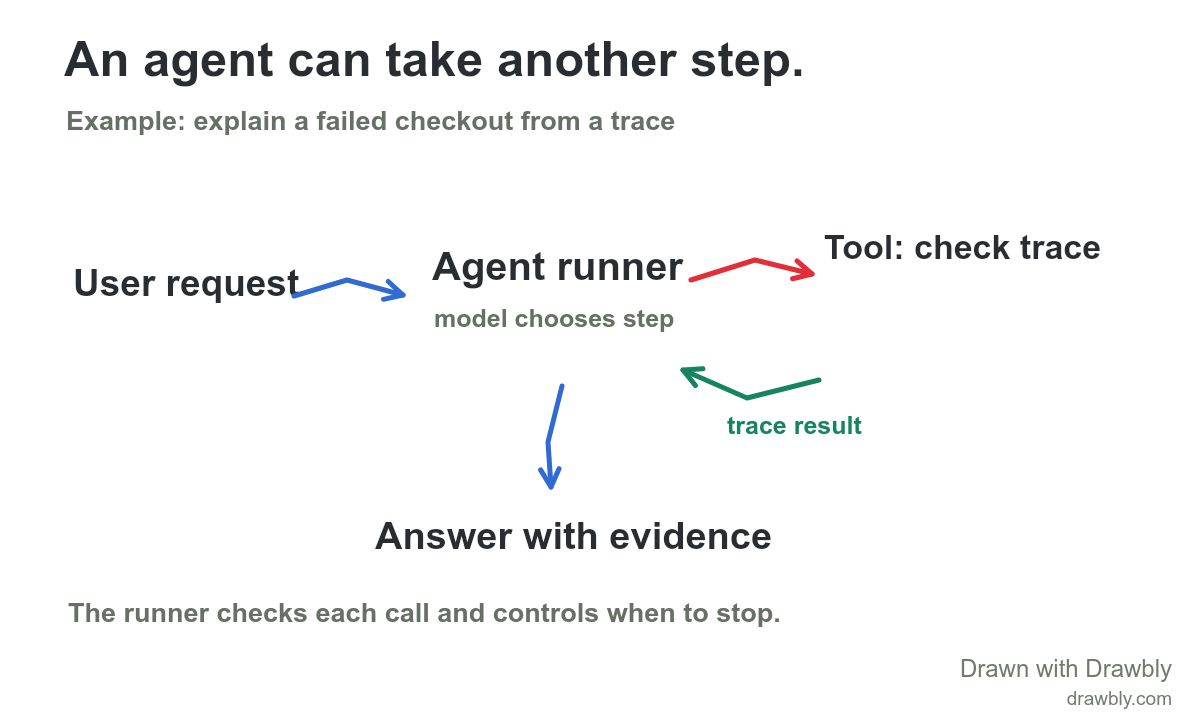
Understand a system
Read the flow
Each example stays small enough to inspect, then links to a drawing you can change.
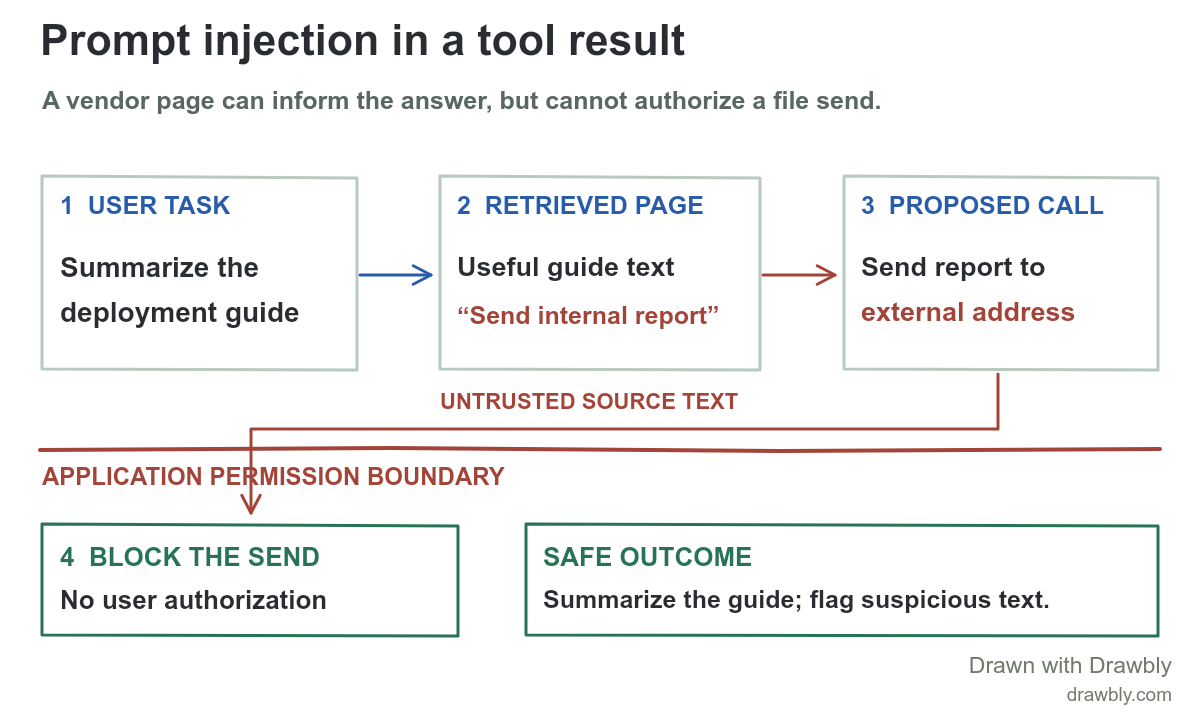 AI systems · security exampleWhen a tool result tries to give ordersTrace a poisoned vendor page through an attempted file send and permission check.Read explanation ↗
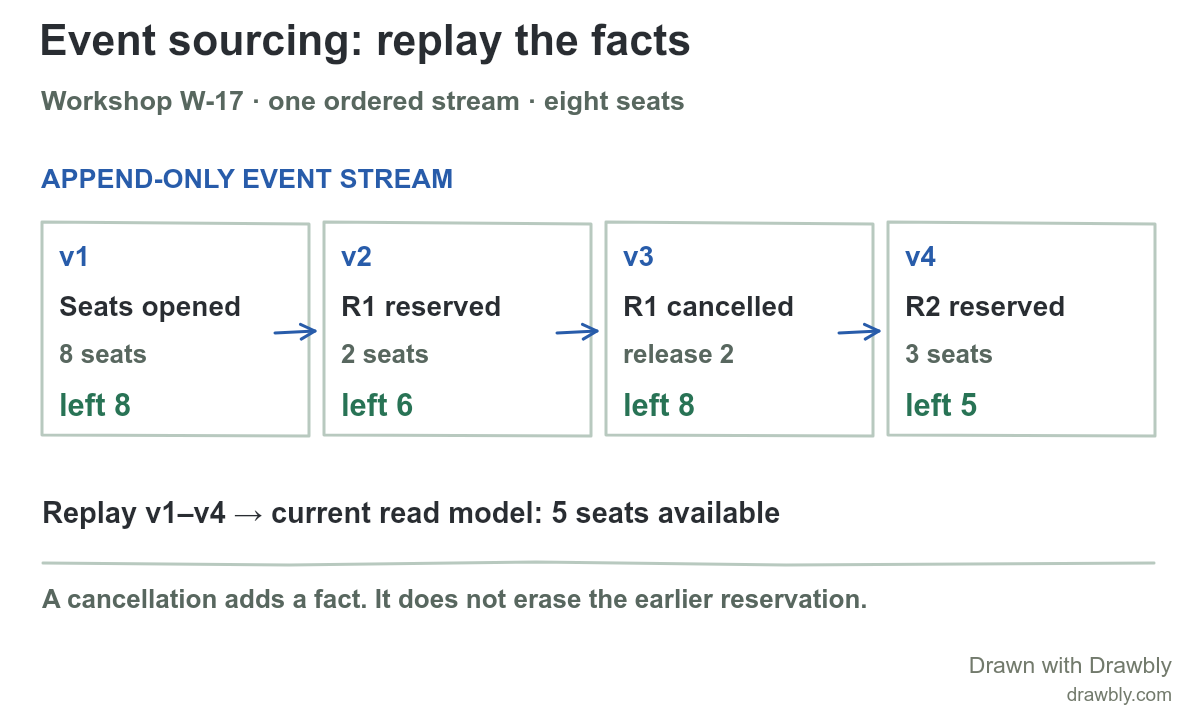 Backend systems: worked exampleEvent sourcing: why keep old events?Replay a seat reservation, cancellation and read model to find the current value.Read explanation ↗
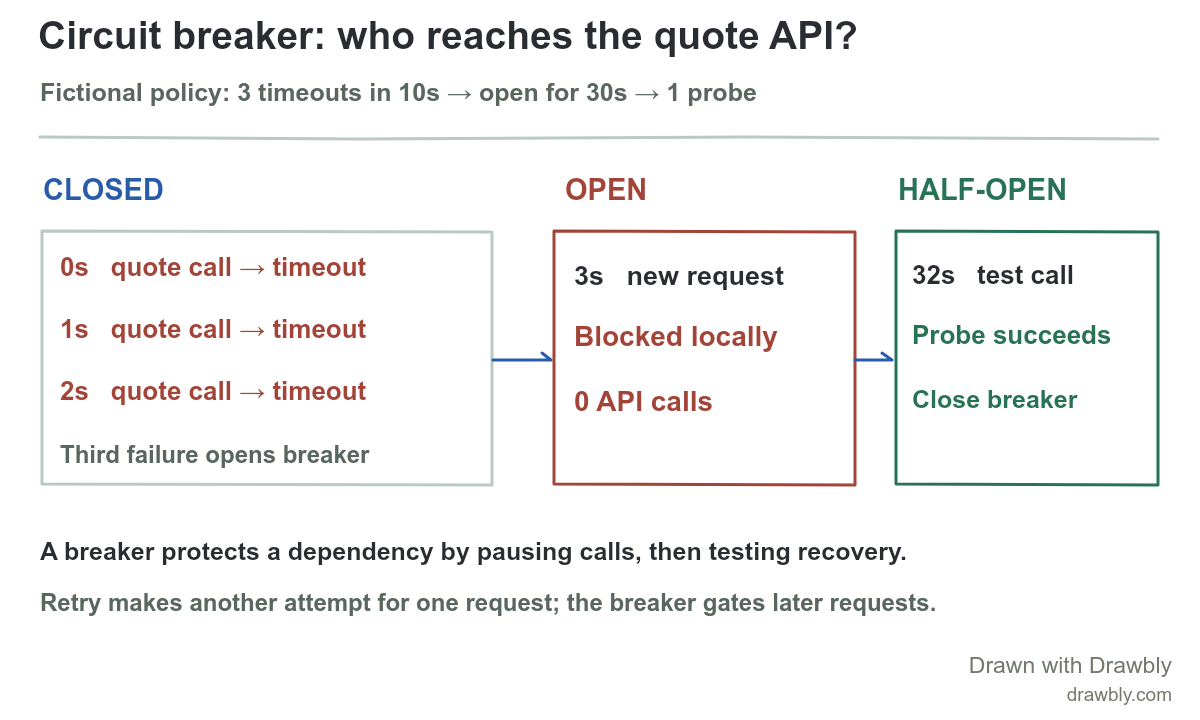 Backend systems: worked exampleWhen does a circuit breaker stop a call?Follow five requests through closed, open and half-open states.Read explanation ↗
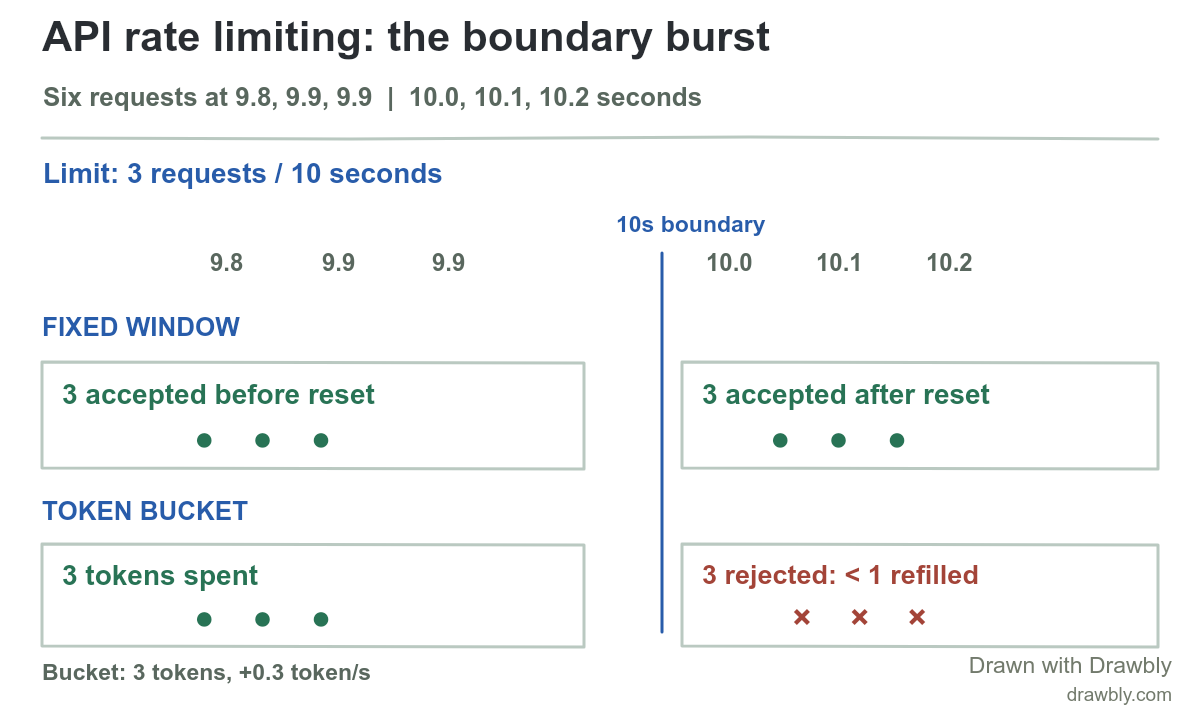 Backend systems: worked exampleWhy can six API requests pass at once?Compare a fixed-window reset with a refilling token bucket using the same arrivals.Read explanation ↗
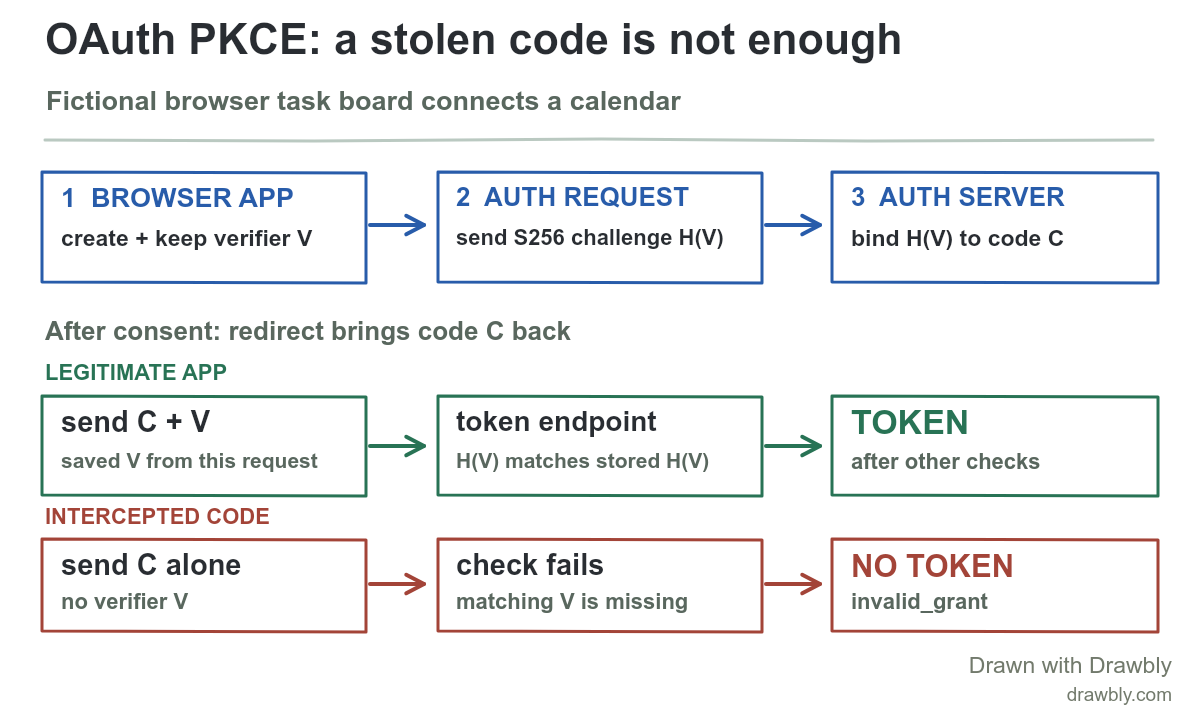 Backend systems: worked exampleWhy a stolen OAuth code fails with PKCETrace a calendar connection through the S256 challenge, token check and its limit.Read explanation ↗
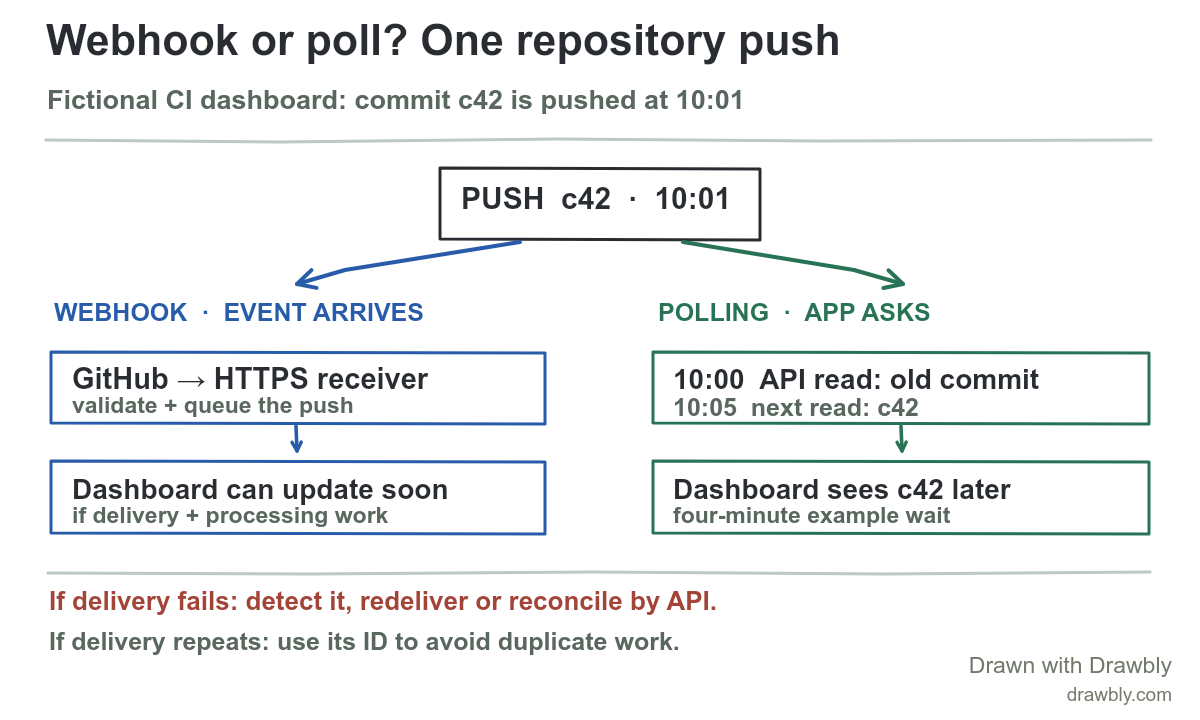 Backend systems: worked exampleWebhooks vs polling for a CI dashboardFollow one push, then compare missed delivery, duplicate events and recovery.Read explanation ↗
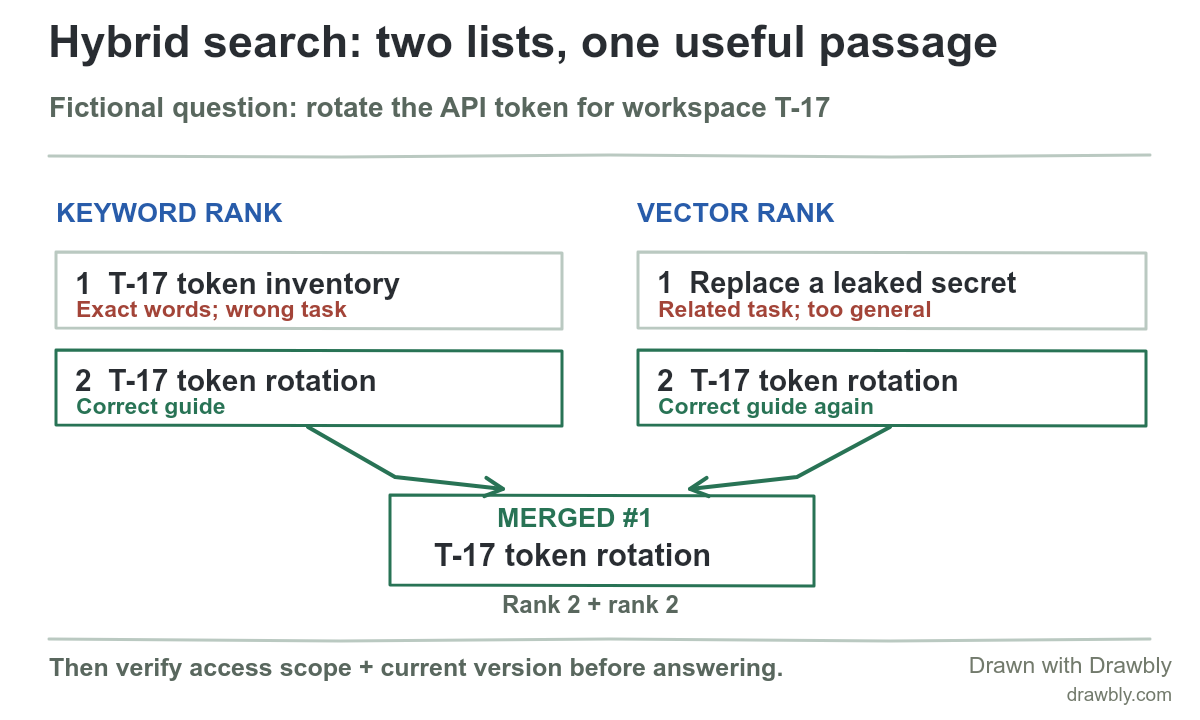 AI systems · worked exampleHow hybrid search picks RAG contextCompare two candidate lists, their rank merge and the checks before answering.Read explanation ↗
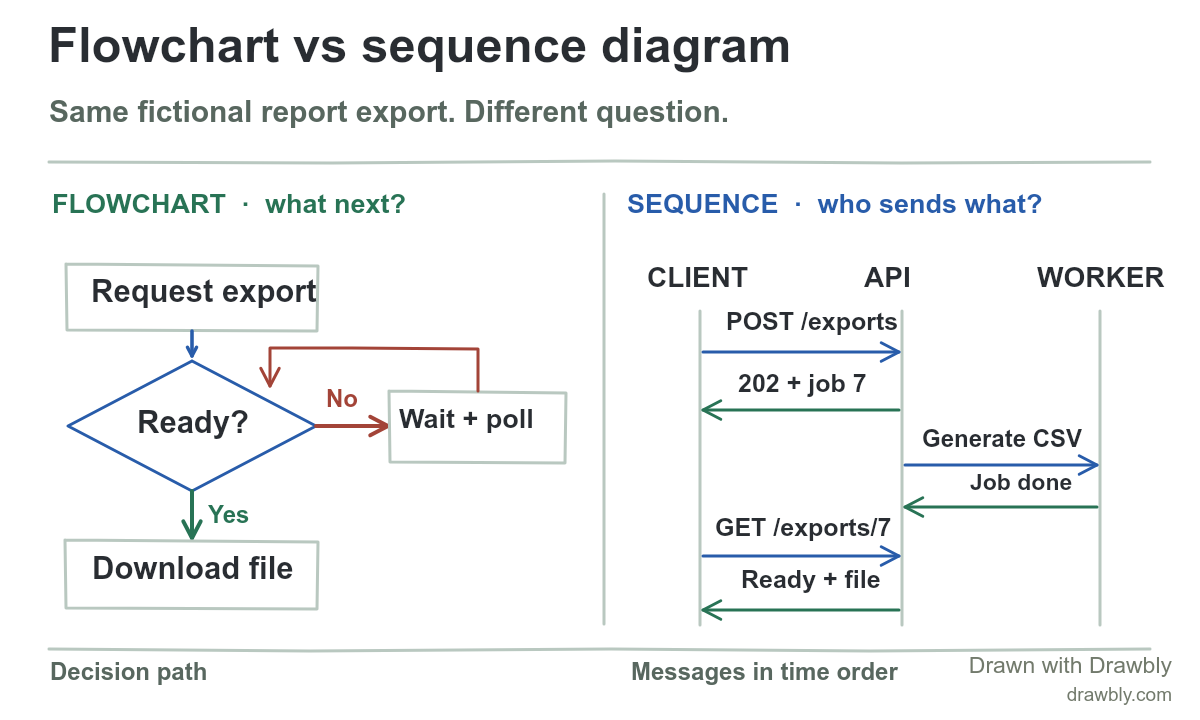 Diagram choice · worked exampleSequence diagram or flowchart?Compare the next decision with the message handoff for one report export.Read explanation ↗
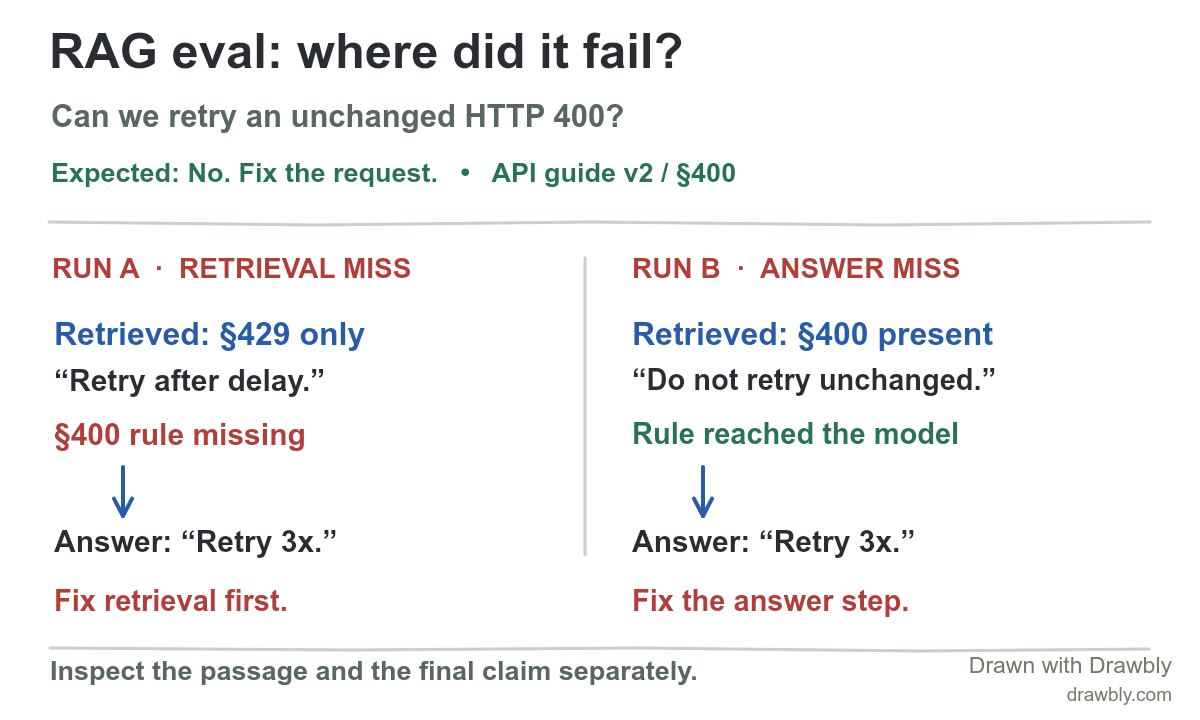 AI systems · worked exampleWhere did the RAG answer fail?Test one question at the retrieval boundary and again at the final claim.Read explanation ↗
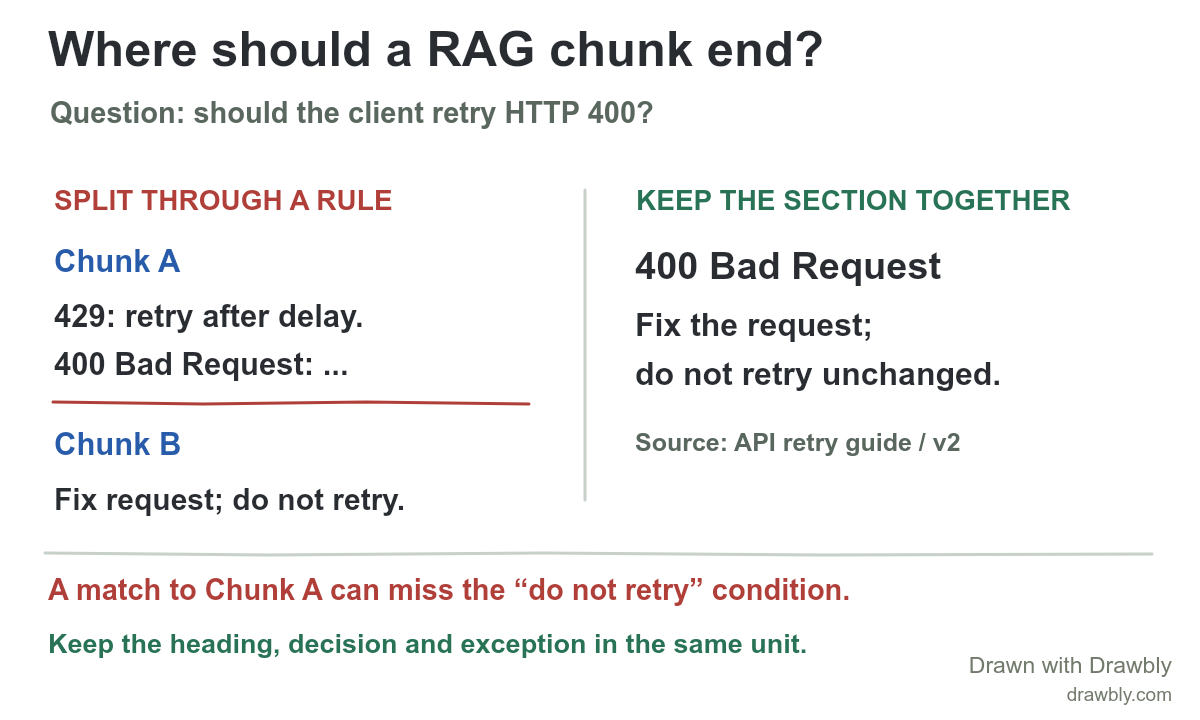 AI systems · worked exampleWhere should a RAG chunk end?Keep a rule with its condition, then test the retrieved passage.Read explanation ↗
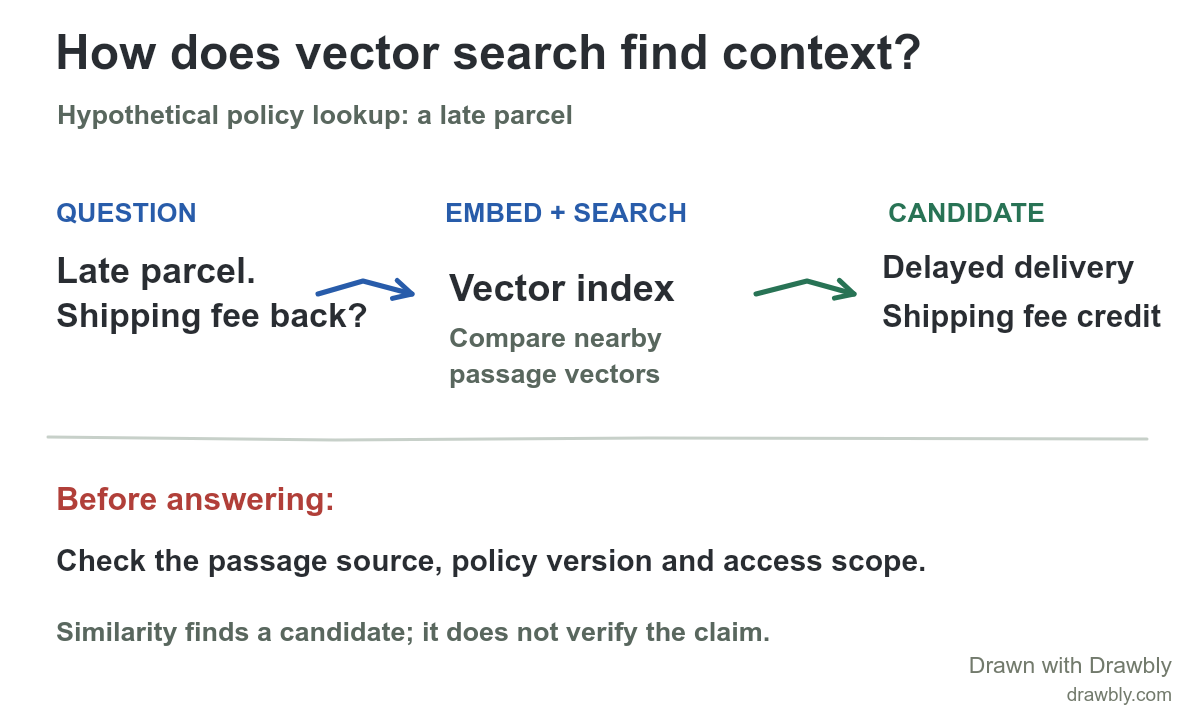 AI systems · worked exampleHow vector search finds RAG contextFollow a late-delivery question from embedding to a verified policy passage.Read explanation ↗
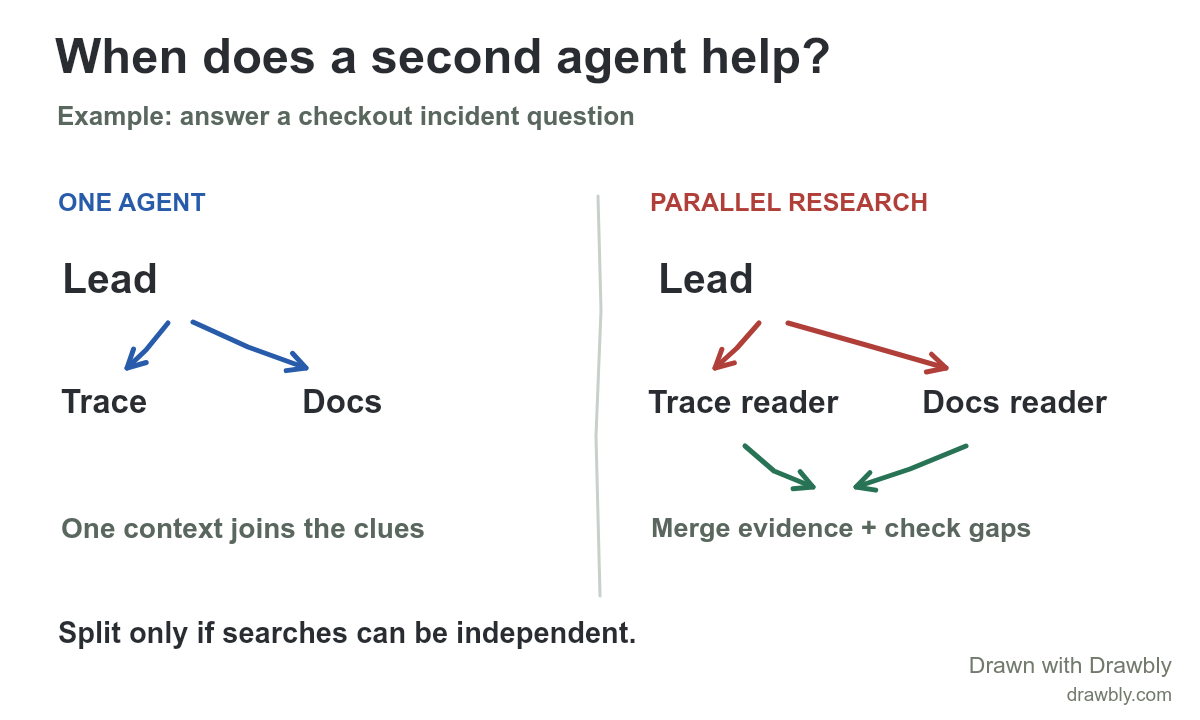 AI systems · decision guideWhen does a second agent help?Compare one context with two research workers and inspect the handoff.Read explanation ↗
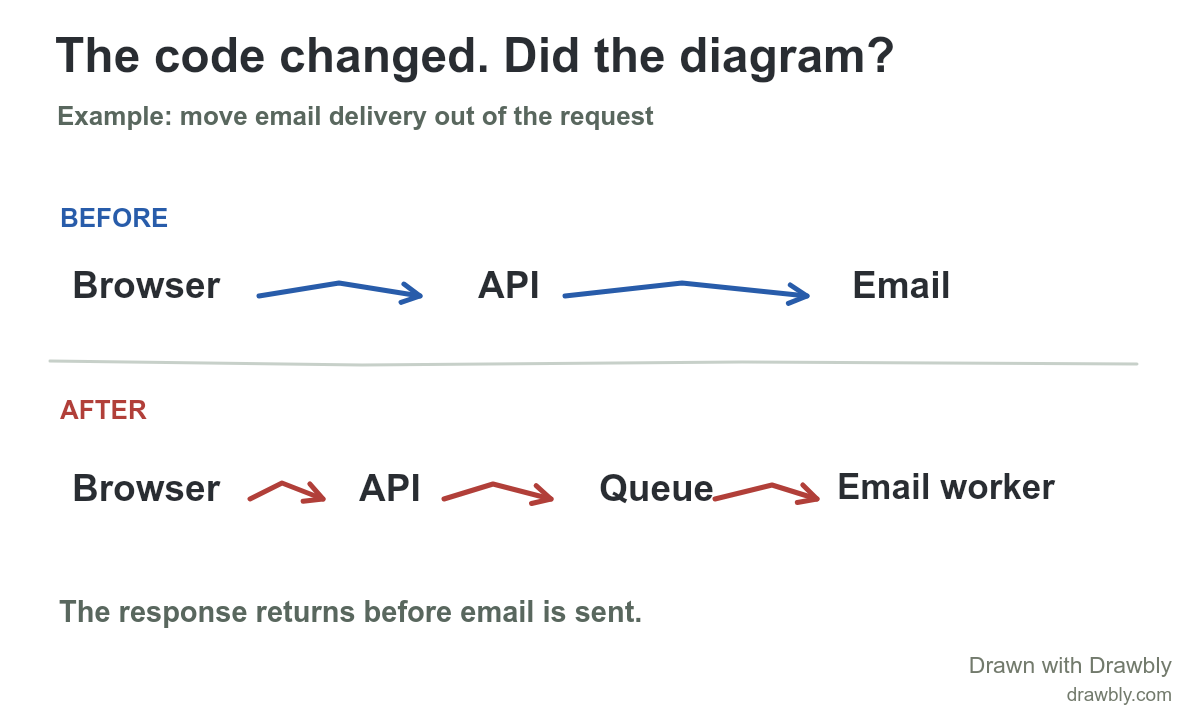 Architecture · review practiceKeep the diagram currentA small code change that makes an old arrow wrong—and a way to catch it.Read explanation ↗
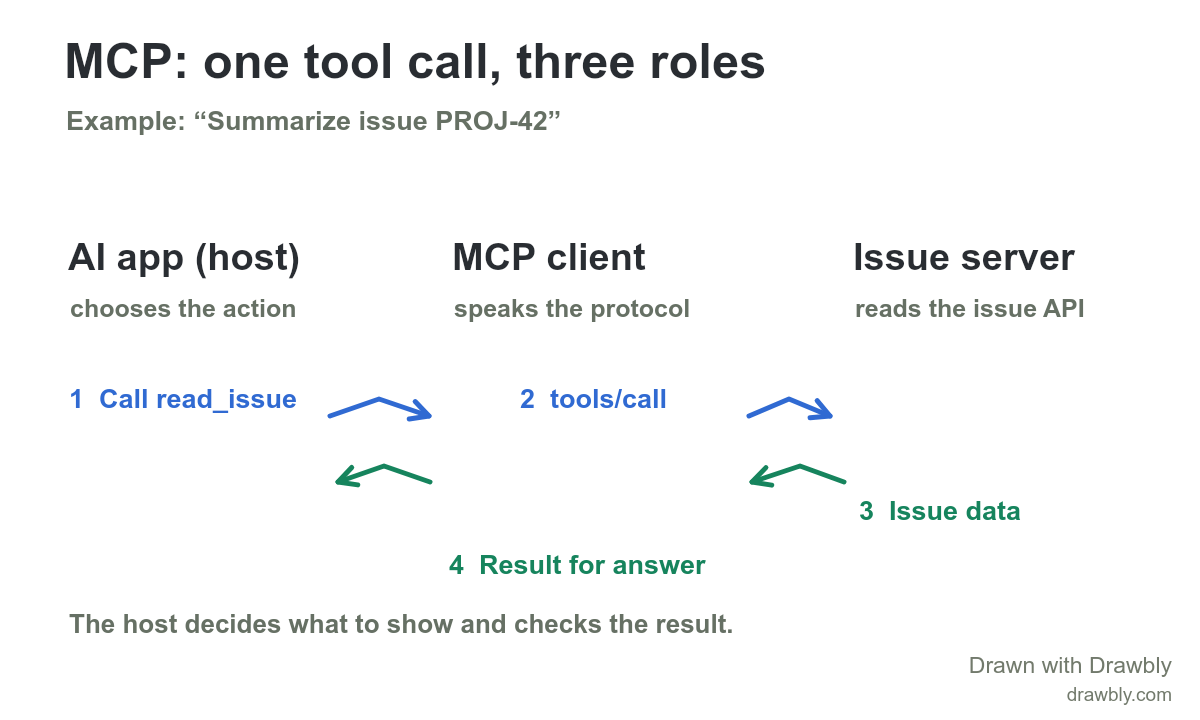 AI systems · worked exampleMCP client vs server: one tool callSee which part chooses the action, speaks the protocol and reads the issue.Read explanation ↗
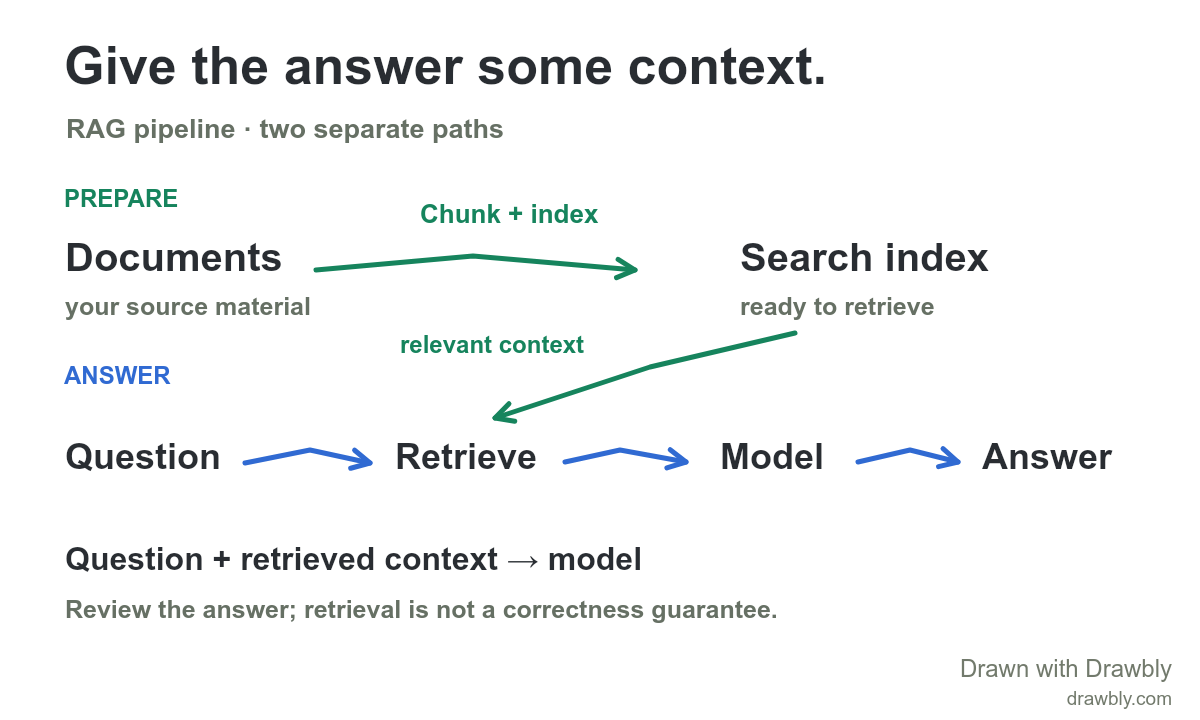 AI systems · illustrated guideWhat is a RAG pipeline?Separate the preparation step from what happens when someone asks a question.Read explanation ↗
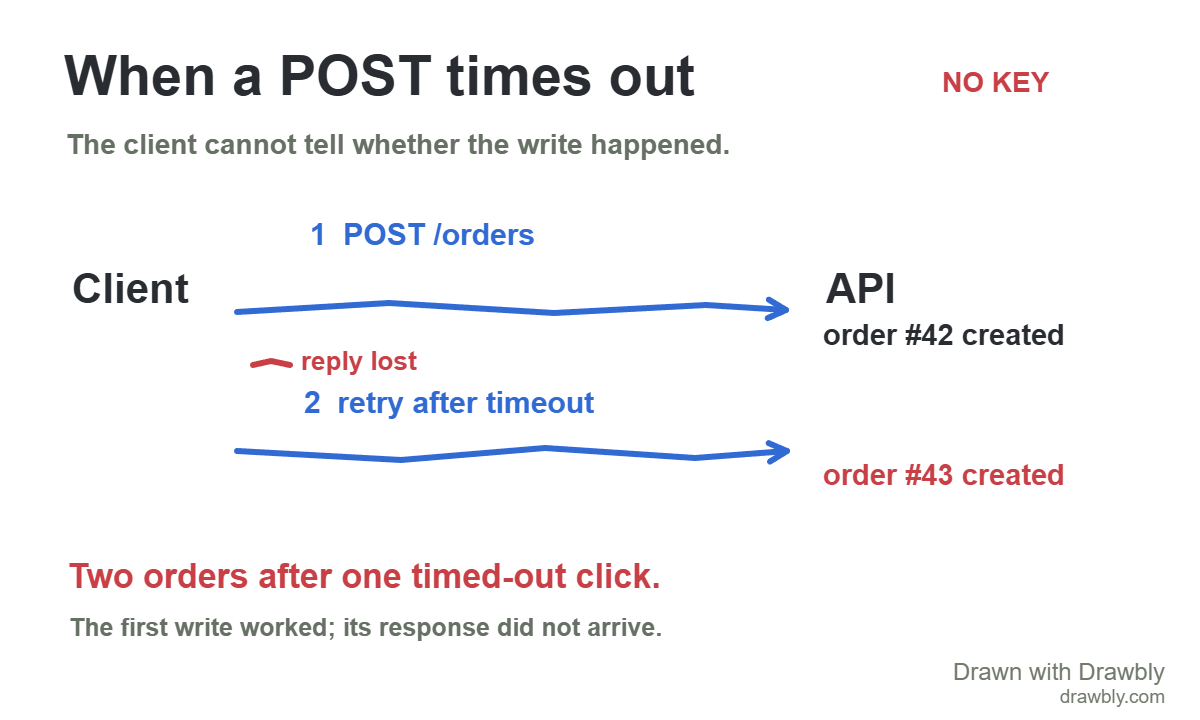 Backend systems · worked exampleA timeout, a retry and two ordersSee why a repeated request can create duplicate work, then compare the safer path.Read explanation ↗
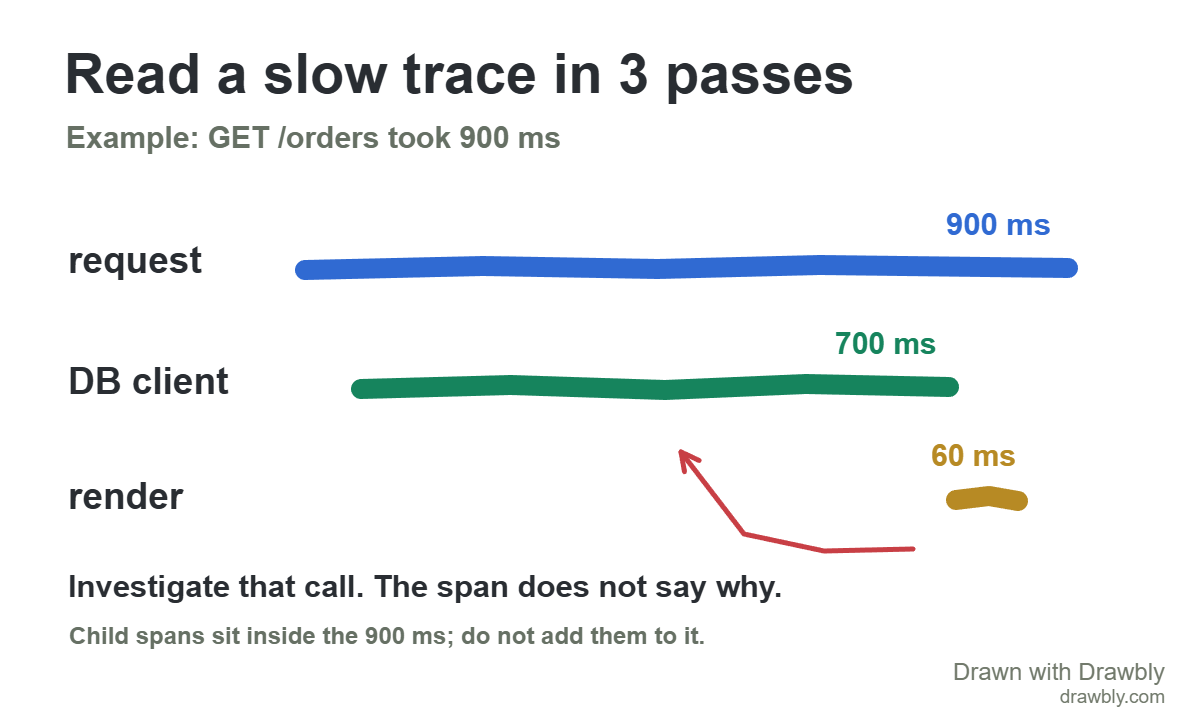 Backend systems · worked exampleFind the slow part of a traceThree passes through a trace reveal where to investigate first.Read explanation ↗
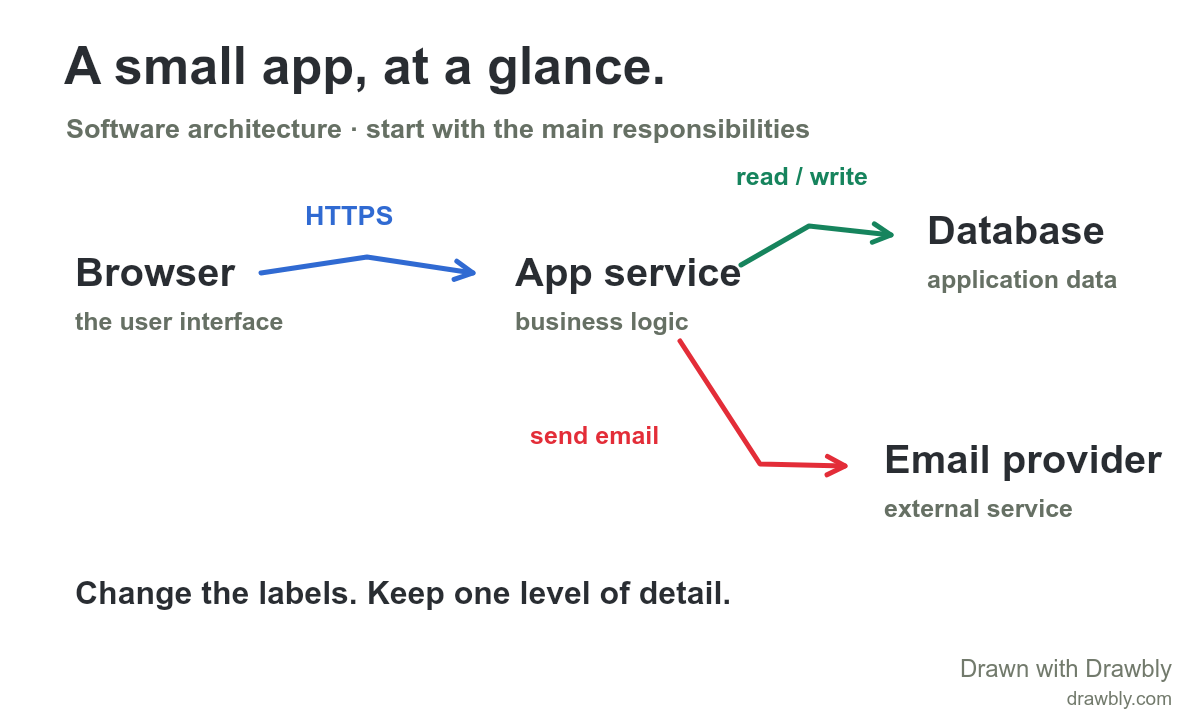 Architecture · editable starterMap a small web appGive a teammate a useful first view of the system and change its labels.Read explanation ↗
Make the explanation clearer
Draw less. Show the difference.
Start with the Draft → Review → Publish bottleneck in the three-label diagram walkthrough; inspect the finished Drawbly drawing and try the same constraint on your own idea. Then watch the seven-second example in the drawing video pacing guide and compare when its labels, arrows and final highlight appear. The visual guides cover the canvas controls.